Exploring the Mesmerizing Hagia Sophia in Istanbul, Turkey
Discover the mesmerizing Hagia Sophia, a UNESCO-listed landmark in Istanbul, Turkey. Explore its rich history…
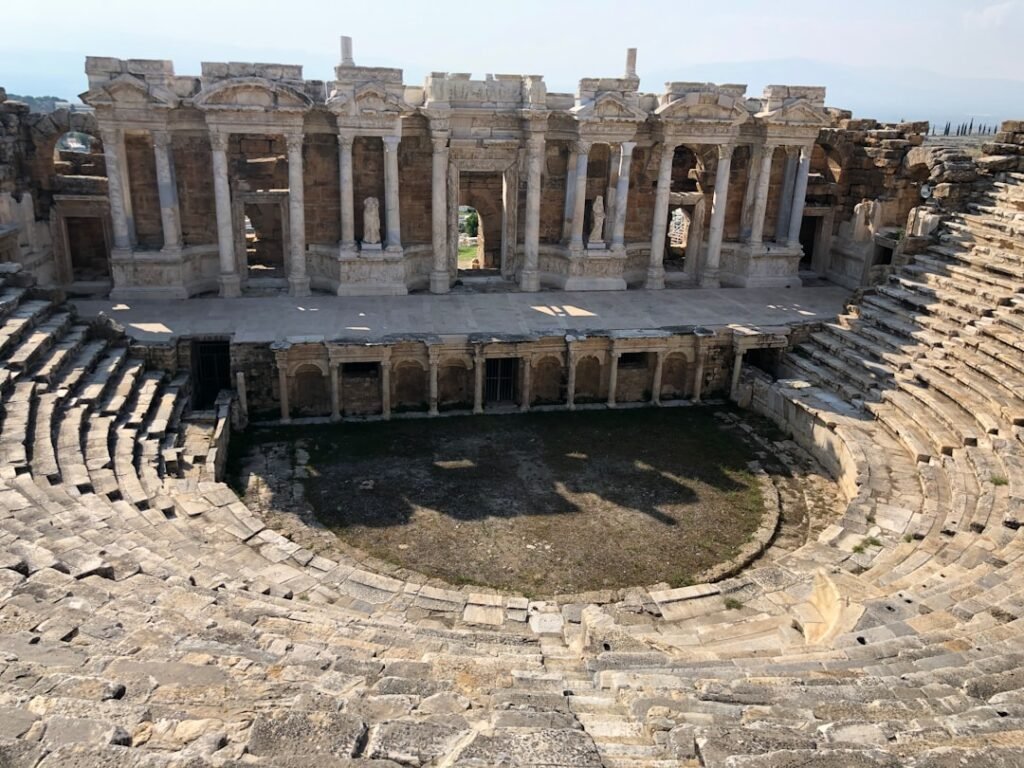
Table of Contents
Nestled along the Aegean coast of Turkey, the ancient city of Ephesus stands as a testament to the region’s rich historical legacy. Once a thriving metropolis and a hub of commerce, Ephesus now invites travelers to step back in time and immerse themselves in the grandeur of a bygone era. With its remarkably well-preserved ruins, Ephesus offers a glimpse into the lives and achievements of the Greco-Roman civilizations that once called this land home.
Ephesus’ origins can be traced back to the 10th century BC, when it was founded as an Ionian Greek city. Over the centuries, the city flourished, becoming one of the most important commercial and cultural centers in the ancient world. At its peak, Ephesus was home to a population of over 250,000 people, making it one of the largest cities in the Mediterranean region.
The city’s strategic location, situated at the mouth of the Cayster River, allowed it to become a thriving hub of trade and commerce. Ephesus was renowned for its magnificent Temple of Artemis, one of the Seven Wonders of the Ancient World, as well as its impressive Library of Celsus, a testament to the city’s intellectual and cultural prowess.
However, like many ancient civilizations, Ephesus faced its share of challenges and ultimately declined over time. Successive invasions, natural disasters, and the silting of the harbor contributed to the city’s gradual downfall, until it was eventually abandoned in the 15th century AD.
Today, the ruins of Ephesus stand as a captivating open-air museum, offering visitors a unique opportunity to immerse themselves in the history and grandeur of this ancient city. As you wander through the site, you’ll be greeted by a stunning array of well-preserved structures, each with its own story to tell.
One of the highlights of a visit to Ephesus is the Terrace Houses, a collection of well-preserved, multi-story dwellings that provide a glimpse into the daily lives of the city’s elite. These opulent homes feature intricate mosaics, frescoes, and architectural details that showcase the wealth and sophistication of Ephesus’ upper-class residents.
The Library of Celsus is undoubtedly one of the most iconic landmarks in Ephesus. This magnificent two-story structure, originally built in the 2nd century AD, was once home to more than 12,000 scrolls and served as a testament to the city’s intellectual and cultural achievements. Today, the library’s impressive façade, with its intricate columns and ornate decorations, is one of the most photographed sites in Ephesus.
Another must-see attraction in Ephesus is the Grand Theater, a massive structure that could seat up to 25,000 people. This grand amphitheater was not only a venue for performances and entertainment but also a hub of political and social activity in the ancient city. Visitors can still marvel at the theater’s impressive size and acoustics, which have been remarkably well-preserved over the centuries.
Although only a single column remains of the once-magnificent Temple of Artemis, this site is still a powerful reminder of Ephesus’ past glory. The temple was one of the Seven Wonders of the Ancient World, and its impressive scale and ornate decorations attracted visitors from across the Mediterranean region. Today, the site offers visitors a chance to imagine the grandeur of this ancient wonder and the important role it played in the religious and cultural life of Ephesus.
Ephesus is located near the modern-day city of Selçuk, about 30 kilometers south of Izmir, one of Turkey’s major coastal cities. The site is easily accessible by car, bus, or organized tour, and there are several options for getting there:
The Ephesus archaeological site is open daily, with the exception of some national holidays. Admission fees are as follows:
It’s important to note that the site can get quite crowded, especially during peak tourist seasons, so it’s recommended to arrive early in the day to avoid the largest crowds. Additionally, be sure to wear comfortable shoes, bring plenty of water, and wear sun protection, as much of the site is exposed to the elements.
Exploring the ancient ruins of Ephesus is a truly captivating experience that transports visitors back in time. From the grandeur of the Terrace Houses to the impressive Library of Celsus, each site offers a unique window into the rich history and cultural heritage of this remarkable city. Whether you’re a history buff, an architecture enthusiast, or simply someone seeking to immerse themselves in the past, a visit to Ephesus is a must-do on any Turkey itinerary. Prepare to be awed, inspired, and forever changed by the timeless magic of this ancient wonder.
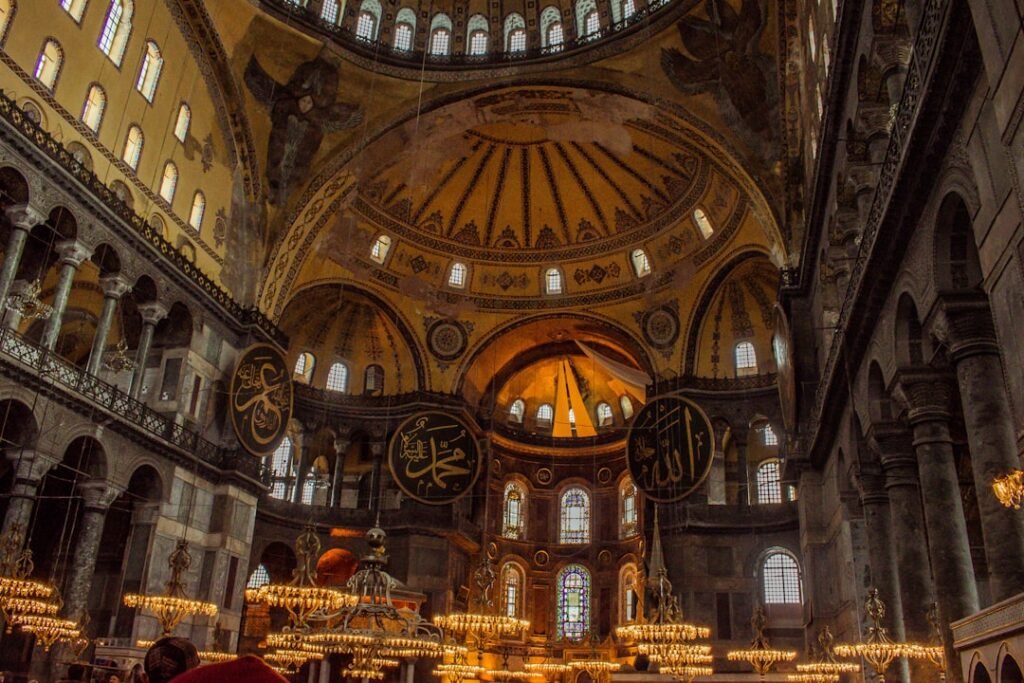
Discover the mesmerizing Hagia Sophia, a UNESCO-listed landmark in Istanbul, Turkey. Explore its rich history…
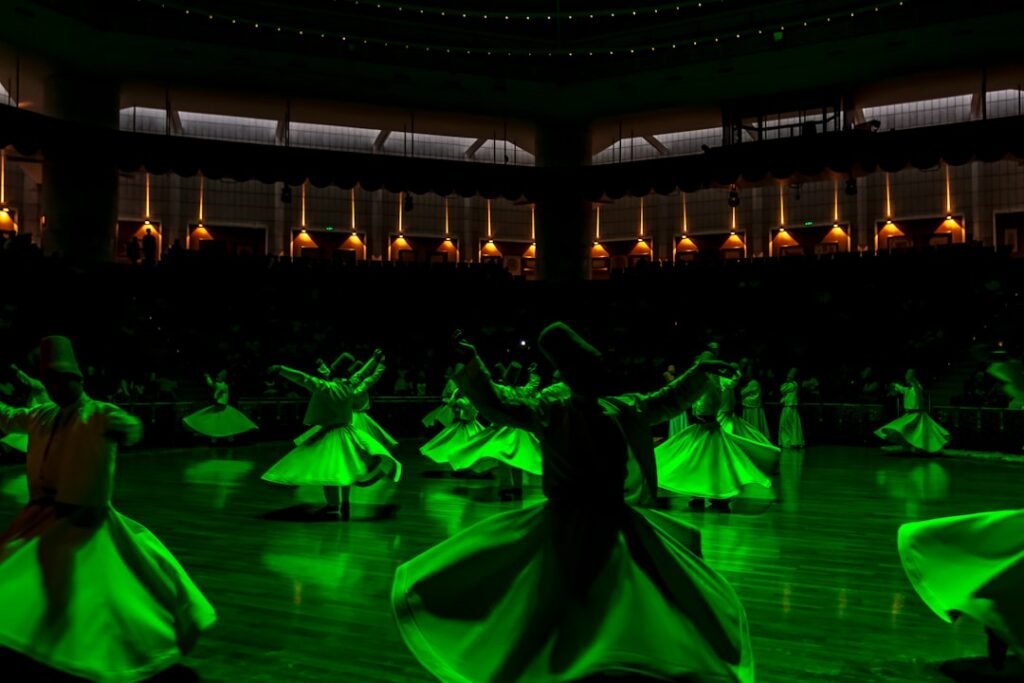
Discover the captivating ritual of the Whirling Dervishes in Konya, Turkey - a centuries-old Sufi…
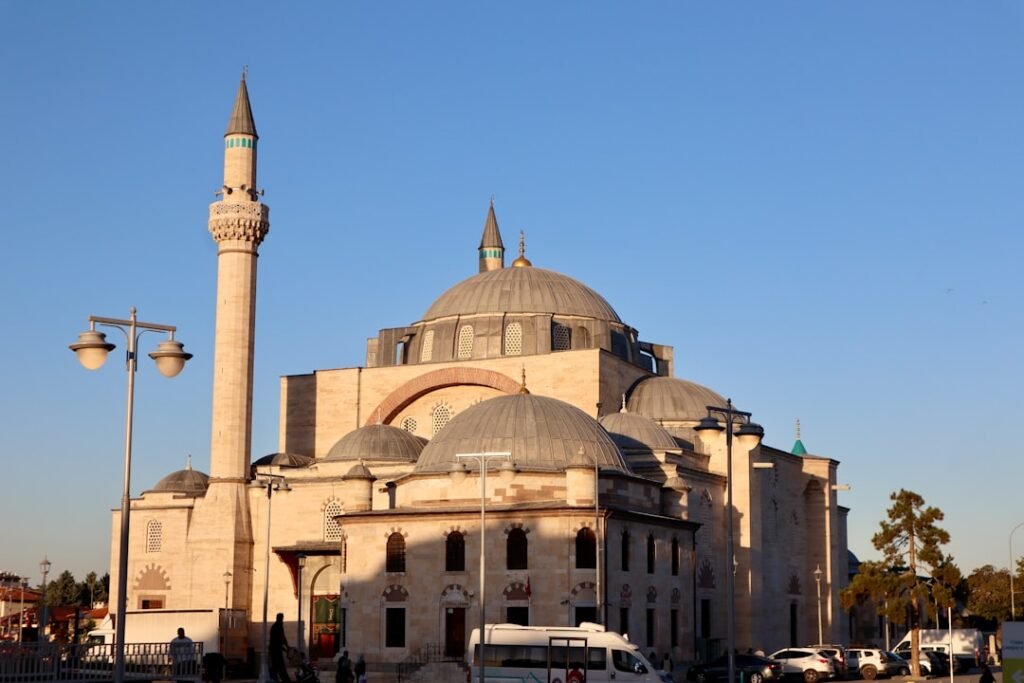
Discover the captivating tradition of the whirling dervishes in Konya, Turkey, where you can witness…