Bodrum Castle: Complete Guide to the Castle of St. Peter in Turkey
Bodrum Castle, the legendary Castle of St. Peter, is a must-visit Turkey landmark. Discover history,…
Table of Contents
Nestled in the heart of Turkey’s Denizli province, Pamukkale is a breathtaking natural wonder that has captivated visitors for centuries. Known for its striking white travertine terraces and thermal hot springs, this UNESCO World Heritage site is a must-visit destination for anyone exploring the wonders of Turkey.
The Pamukkale hot springs are a series of natural, terraced hot springs formed over thousands of years by the steady flow of mineral-rich thermal waters. As the water cascades down the hillside, it deposits calcium carbonate, creating the iconic white travertine terraces that give Pamukkale its otherworldly appearance.
The hot springs themselves are fed by a natural spring that maintains a constant temperature of around 35°C (95°F), making them a popular spot for bathing and relaxation. The mineral-rich waters are believed to have therapeutic properties, with visitors seeking to soothe a variety of ailments, from skin conditions to joint pain.
Pamukkale’s history dates back to the 2nd century BC, when the ancient city of Hierapolis was established as a spa town and religious center. The thermal waters were highly prized by the Romans, who built an extensive network of baths, temples, and other structures to accommodate visitors.
Over the centuries, Pamukkale has been a hub of cultural and religious activity, attracting pilgrims, healers, and travelers from across the Mediterranean region. The site’s unique geology and therapeutic waters have made it a popular destination for centuries, with the ruins of Hierapolis and the travertine terraces now drawing millions of visitors each year.
Pamukkale is located in southwestern Turkey, approximately 3 hours by car from the coastal city of Antalya and 2.5 hours from Izmir. The nearest major airport is Denizli Çardak Airport, which is about 20 kilometers (12 miles) from the site.
Many visitors choose to visit Pamukkale as part of a larger tour of Turkey’s historical and natural wonders, with popular itineraries including stops in Cappadocia, Ephesus, and the Turquoise Coast. However, it’s also possible to visit Pamukkale as a day trip from nearby cities like Denizli or Kuşadası.
The main attraction at Pamukkale is, of course, the stunning travertine terraces that cascade down the hillside. Visitors can wander along the designated paths, taking in the breathtaking views and marveling at the natural formations.
It’s important to note that, in order to preserve the delicate travertine, visitors are only allowed to walk in the designated areas and are not permitted to touch or stand on the terraces themselves. Wearing proper footwear is also essential, as the surfaces can be slippery.
One of the most popular activities at Pamukkale is soaking in the thermal hot springs. Visitors can access the Antique Pool, a large, historical pool located among the ruins of Hierapolis, or the Cleopatra Pool, which features the remains of ancient columns and artifacts submerged in the warm waters.
Bathing in the hot springs is a truly unique experience, with the mineral-rich waters said to have therapeutic benefits for the skin, muscles, and joints. Visitors should be aware that the pools can get quite crowded, especially during peak tourism seasons, so it’s best to arrive early in the day to avoid the crowds.
In addition to the travertine terraces and hot springs, Pamukkale is also home to the ruins of the ancient city of Hierapolis. Founded in the 2nd century BC, Hierapolis was a thriving spa town and religious center, with a well-preserved necropolis, theater, and other archaeological sites to explore.
Visitors can wander through the ruins, marveling at the impressive Roman architecture and learning about the site’s rich history. The Hierapolis Archaeological Museum, located on-site, also houses a collection of artifacts and exhibits that provide further insight into the ancient city’s past.
The best time to visit Pamukkale is generally during the spring and fall months, when the weather is mild and the crowds are smaller. The summer months can be quite hot and crowded, while the winter months may bring cooler temperatures and the possibility of snow.
Regardless of the season, it’s important to check the weather forecast and dress accordingly, as the travertine terraces can be slippery when wet. Visitors should also be prepared for a significant amount of walking, as the site covers a large area and the terrain can be challenging in some areas.
Pamukkale is a truly unique and captivating destination, offering visitors the chance to experience the natural wonder of its thermal hot springs and the rich history of the ancient city of Hierapolis. Whether you’re seeking a relaxing soak in the mineral-rich waters or an immersive exploration of Turkey’s cultural heritage, Pamukkale is a must-visit destination that will leave you in awe of the country’s natural beauty and history.
Bodrum Castle, the legendary Castle of St. Peter, is a must-visit Turkey landmark. Discover history,…
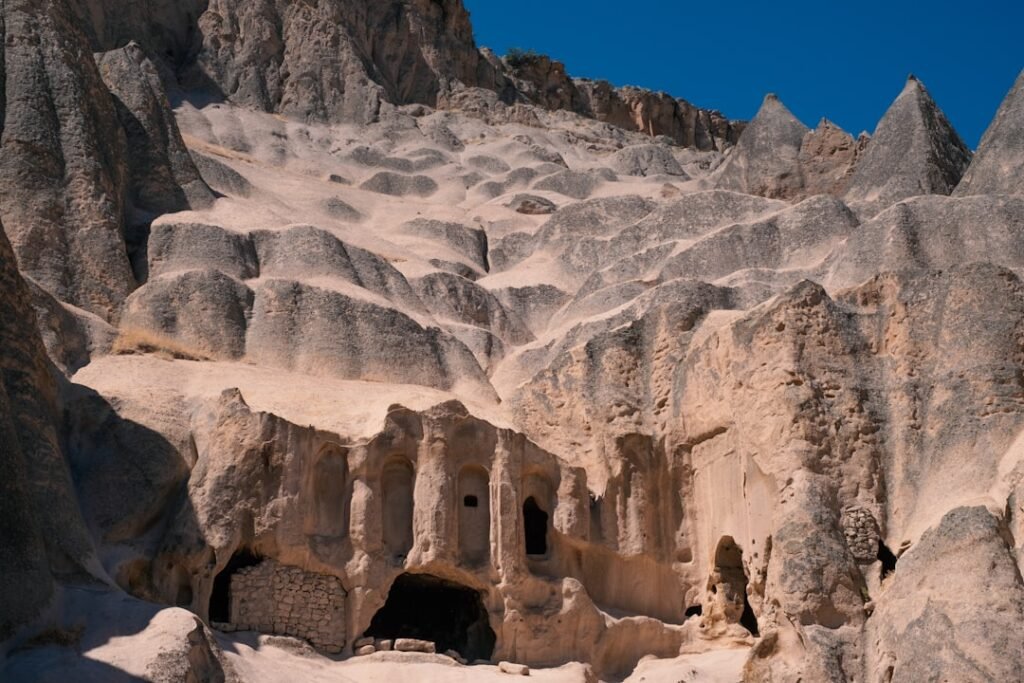
Discover the enchanting cave hotels of Cappadocia, Turkey - a unique and unforgettable way to…
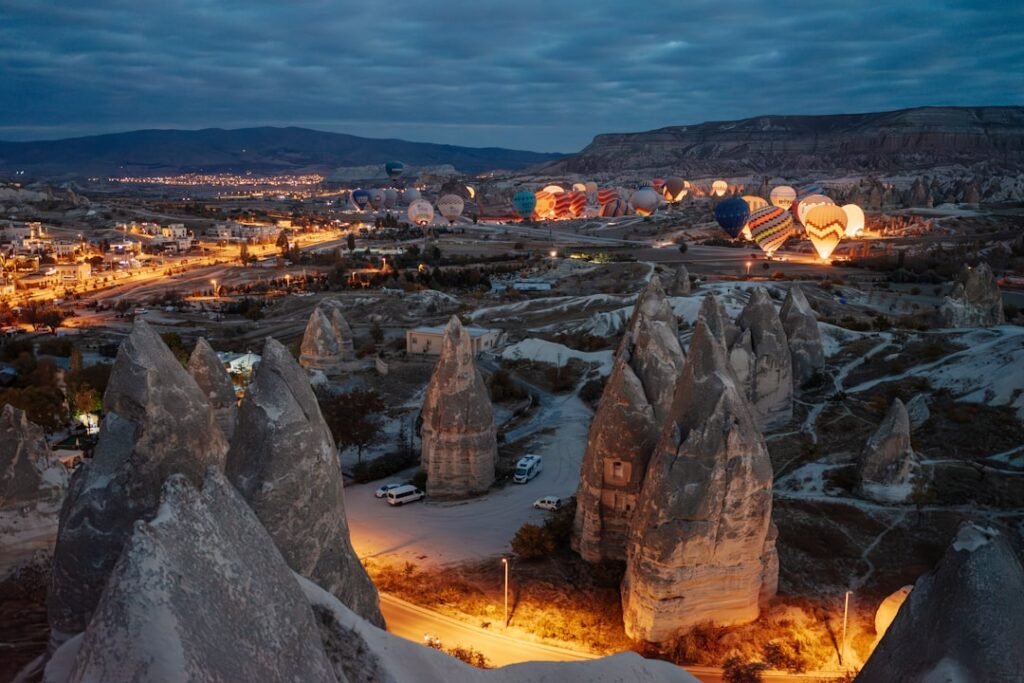
Discover the enchanting cave hotels of Cappadocia, Turkey, where you can sleep in the heart…