Exploring the Whimsical Cave Hotels of Cappadocia, Turkey
Discover the enchanting cave hotels of Cappadocia, Turkey, where you can sleep underground in unique…
Table of Contents
Nestled in the heart of southwestern Turkey, the Pamukkale Hot Springs are a captivating natural wonder that have enchanted visitors for centuries. This UNESCO World Heritage site, known for its striking white travertine terraces and crystal-clear thermal pools, is a true oasis of tranquility and relaxation. Whether you’re seeking a rejuvenating escape or a chance to immerse yourself in Turkey’s rich history, a visit to the Pamukkale Hot Springs is an absolute must.
Pamukkale is located in the Denizli province, approximately 3 hours south of Istanbul and 2 hours northeast of the coastal city of Bodrum. The easiest way to reach the hot springs is by taking a bus or joining a guided tour from nearby cities like Denizli or Selcuk. Lonely Planet recommends booking your transportation in advance, especially during peak tourism seasons, to ensure a smooth and stress-free journey.
The most budget-friendly option is to take a bus from major cities in Turkey. Buses to Pamukkale depart regularly from Denizli, Selcuk, and other nearby towns. The journey typically takes 1-2 hours, and tickets can be purchased directly from the bus station or online. Be sure to research bus schedules and plan your arrival time accordingly to make the most of your visit.
For a more seamless experience, consider booking a guided tour to Pamukkale. Many tour operators offer day trips or multi-day packages that include transportation, admission fees, and a knowledgeable guide to provide insights into the history and geology of the hot springs. This can be especially beneficial if you have limited time or want to combine your visit with other nearby attractions, such as the ancient ruins of Hierapolis.
The Pamukkale Hot Springs are a true natural wonder, with their mesmerizing white travertine terraces and crystal-clear thermal pools. As you wander through the site, you’ll be captivated by the serene beauty and the feeling of stepping back in time.
To make the most of your visit to the Pamukkale Hot Springs, consider the following practical tips:
While the Pamukkale Hot Springs are the main draw, the surrounding area offers a wealth of additional attractions and historical sites worth exploring. Consider combining your visit with some of these nearby highlights:
The ancient city of Hierapolis, located adjacent to the Pamukkale Hot Springs, is a UNESCO World Heritage site that dates back to the 2nd century BC. Visitors can explore the well-preserved ruins, including the impressive Roman theater, the Plutonium (a sacred temple to the underworld god Pluto), and the ancient necropolis.
Another nearby archaeological site, Laodikeia, was once a thriving Hellenistic and Roman city. Today, visitors can wander through the ruins and discover the remains of impressive structures, such as the theater, gymnasium, and ancient church.
The ancient city of Aphrodisias, a UNESCO World Heritage site, is known for its well-preserved temples, sculptures, and other architectural wonders dedicated to the goddess Aphrodite. It’s a must-visit for history and archaeology enthusiasts.
By exploring the Pamukkale Hot Springs in conjunction with these other nearby attractions, you’ll gain a deeper understanding of Turkey’s rich cultural and historical heritage, creating an unforgettable travel experience.
For more information and inspiration, be sure to check out the official Turkey tourism site and TripAdvisor’s Turkey travel guide. And don’t forget to explore our other comprehensive travel guides to make the most of your Turkey adventure.

Discover the enchanting cave hotels of Cappadocia, Turkey, where you can sleep underground in unique…
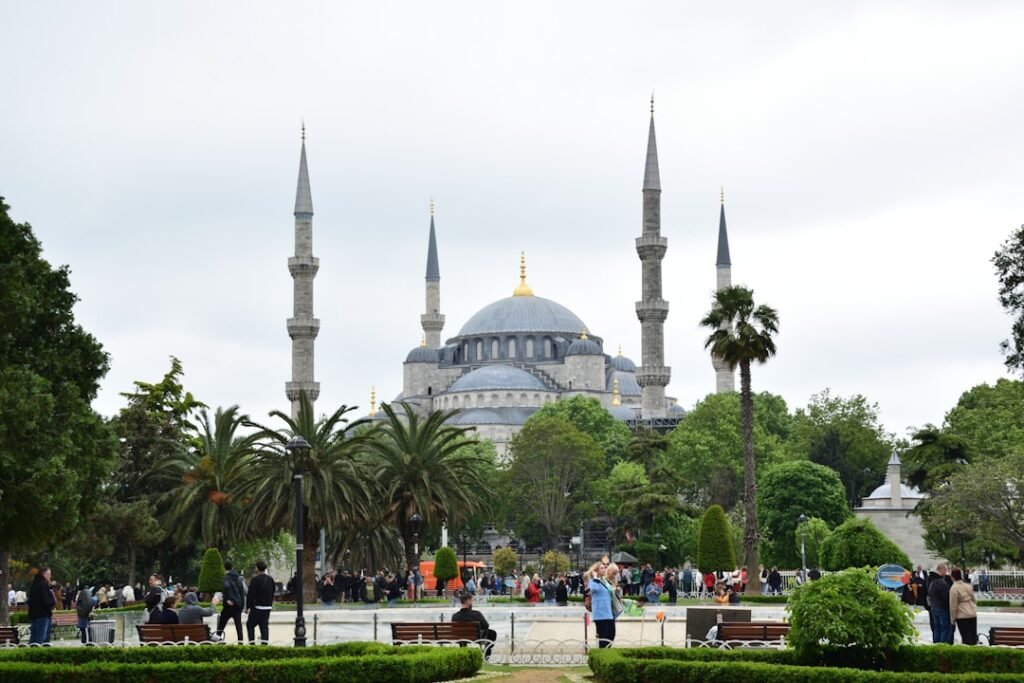
Discover the centuries-old tradition of Turkish hamams in Istanbul. Explore the grand, domed halls, experience…
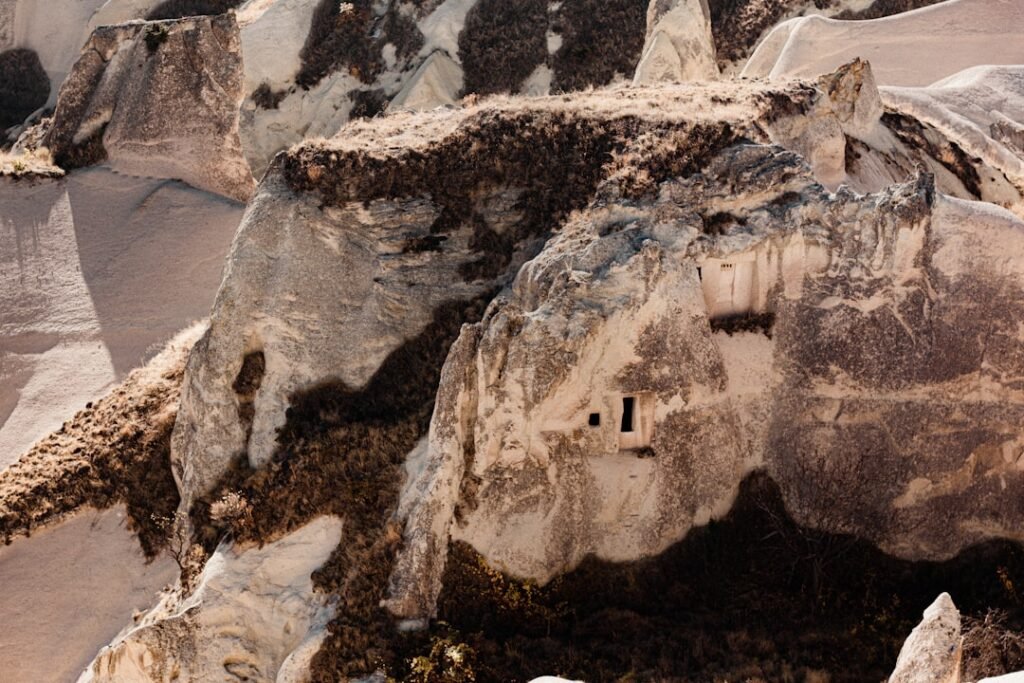
Discover the unique and enchanting cave hotels of Cappadocia, Turkey. Explore this guide to find…