Bodrum Castle: Complete Guide to the Castle of St. Peter in Turkey
Bodrum Castle, the legendary Castle of St. Peter, is a must-visit Turkey landmark. Discover history,…
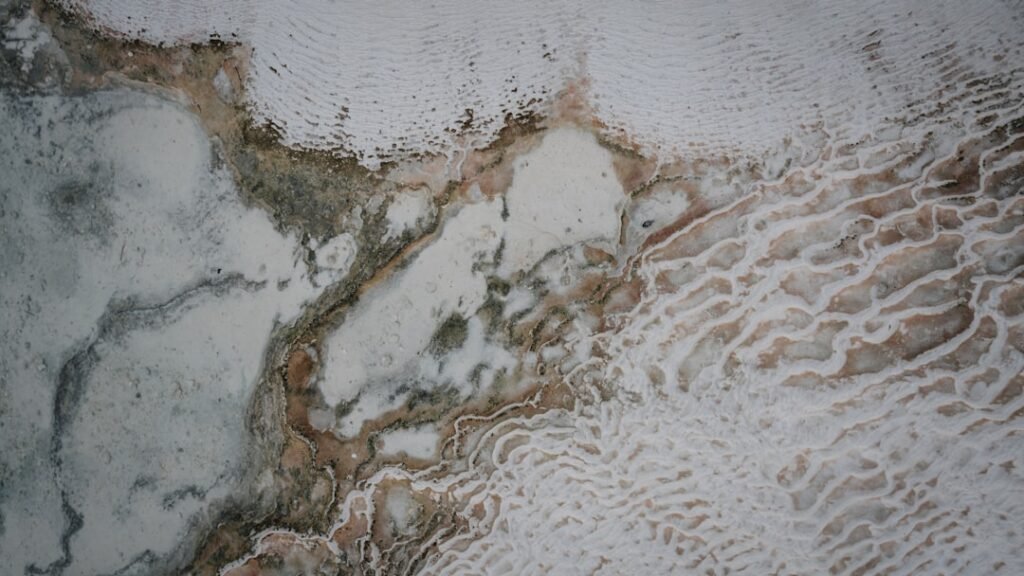
Table of Contents
Nestled in the heart of southwestern Turkey, Pamukkale is a breathtaking natural wonder that has captivated travelers for centuries. Known for its striking white travertine terraces and thermal springs, this UNESCO World Heritage site is a must-visit destination for anyone exploring the rich tapestry of Turkey’s landscapes.
In this comprehensive guide, we’ll delve into the history, natural features, and practical information you need to plan the perfect visit to Pamukkale. Whether you’re marveling at the otherworldly terrain, soaking in the rejuvenating thermal waters, or immersing yourself in the region’s cultural heritage, this guide will ensure you make the most of your time in this truly remarkable corner of Turkey.
The defining feature of Pamukkale is its series of dazzling white travertine terraces, formed over centuries by the natural flow of mineral-rich thermal waters. As the water cascades down the terraced slopes, it deposits calcium carbonate, creating the mesmerizing, stepped formations that give Pamukkale its unique and captivating appearance.
These terraces, known as ‘cotton castles’ in Turkish, are truly a sight to behold. Visitors can stroll along the travertine paths, marveling at the stunning natural pools and admiring the breathtaking vistas that stretch out over the surrounding landscape. The terraces are a true masterpiece of nature, and a testament to the incredible geological processes that have shaped this remarkable destination.
In addition to the iconic travertine terraces, Pamukkale is also renowned for its thermal springs, which have been drawing visitors to the region for millennia. The warm, mineral-rich waters that flow from the nearby Karahayıt hot springs are believed to have therapeutic and restorative properties, making them a popular destination for those seeking relaxation and rejuvenation.
Visitors can soak in the thermal pools, which range in temperature from a soothing 35°C (95°F) to a more invigorating 56°C (133°F). The waters are rich in calcium, magnesium, and other minerals, and are said to be beneficial for a variety of health conditions, from skin problems to joint pain.
Pamukkale is not just a natural wonder – it is also home to the ancient ruins of Hierapolis, a Greco-Roman city that was founded in the 2nd century BC. This UNESCO-listed site is a fascinating place to explore, with well-preserved remnants of temples, theaters, baths, and other structures that offer a glimpse into the region’s rich cultural heritage.
One of the most impressive features of Hierapolis is the Necropolis, a sprawling ancient cemetery that contains thousands of elaborately decorated sarcophagi and tombs. Visitors can wander through the Necropolis, admiring the intricate carvings and learning about the burial customs of the Greco-Roman era.
Other must-see attractions within the Hierapolis archaeological site include the Plutonium, a sacred cave believed to be the entrance to the underworld, and the Martyrium of St. Philip, a church dedicated to the apostle Philip, who is said to have been martyred in Hierapolis.
The best time to visit Pamukkale is during the spring (April to May) and fall (September to November) months, when the weather is mild and comfortable. During these shoulder seasons, you can expect smaller crowds, lower prices, and the opportunity to enjoy the terraces and thermal springs without the intense heat of the summer months.
That said, Pamukkale is a year-round destination, and each season offers its own unique charms. In the summer, you can take a refreshing dip in the thermal pools to beat the heat, while the winter months bring a serene, snow-dusted beauty to the terraces.
Pamukkale is located in the Denizli province of southwestern Turkey, approximately 3 hours by car from the popular coastal resort of Bodrum. The closest major airport is Denizli Çardak Airport, which is just 20 kilometers (12 miles) from the Pamukkale site.
For those traveling from other parts of Turkey, the most convenient way to reach Pamukkale is by bus. There are regular bus services from major cities like Istanbul, Izmir, and Antalya, making it easy to incorporate a visit to Pamukkale into a broader Turkish itinerary.
Once you arrive in Pamukkale, the best way to explore the site is on foot. The travertine terraces and Hierapolis ruins are all within a relatively compact area, and there are well-marked paths and walkways that allow visitors to navigate the site with ease.
Pamukkale offers a range of accommodation options to suit every budget and preference. From luxury hotels with thermal pools to budget-friendly guesthouses, there’s something to cater to all travelers.
Some of the top-rated hotels in Pamukkale include the Doga Thermal Health Spa, which features thermal pools and spa facilities, and the Pam Thermal Hotel, which offers stunning views of the travertine terraces.
For those on a tighter budget, there are also several affordable guesthouses and hostels located in the nearby town of Pamukkale, which provide easy access to the site and its thermal springs.
Pamukkale is a true wonder of nature, a place where the breathtaking beauty of the natural world and the rich cultural heritage of Turkey converge to create an unforgettable travel experience. Whether you’re soaking in the thermal springs, strolling along the travertine terraces, or exploring the ancient ruins of Hierapolis, this remarkable destination is sure to leave a lasting impression.
So why not plan your visit to Pamukkale today? With its stunning landscapes, rejuvenating waters, and fascinating history, this unique corner of Turkey is a must-see for any traveler exploring the wonders of this captivating country. Start planning your trip with the help of our Turkey destinations guide and comprehensive travel guides.
Bodrum Castle, the legendary Castle of St. Peter, is a must-visit Turkey landmark. Discover history,…
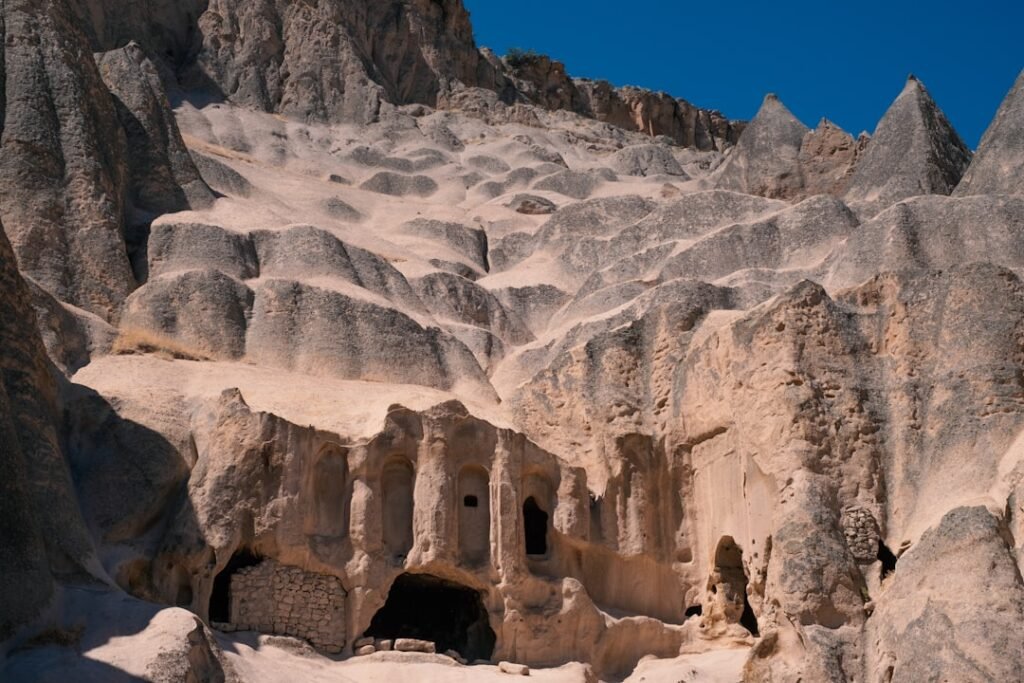
Discover the enchanting cave hotels of Cappadocia, Turkey - a unique and unforgettable way to…
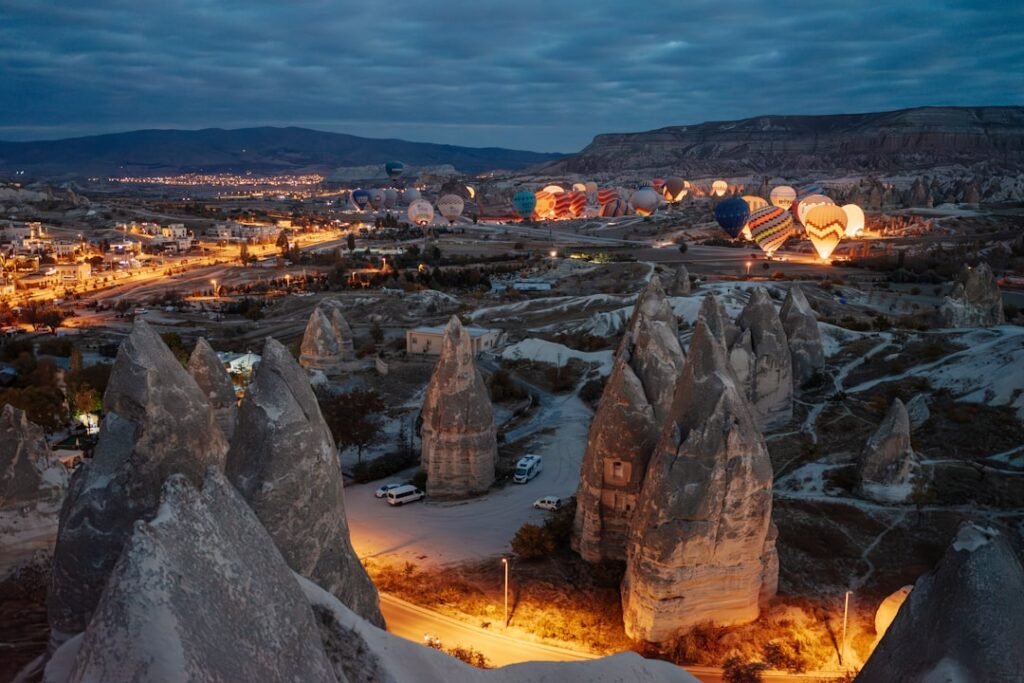
Discover the enchanting cave hotels of Cappadocia, Turkey, where you can sleep in the heart…