Bosphorus Boat Tour: The Ultimate Guide to Sailing Istanbul’s Iconic Strait
Discover everything about a Bosphorus boat tour in Istanbul — pricing, booking tips, best seasons,…
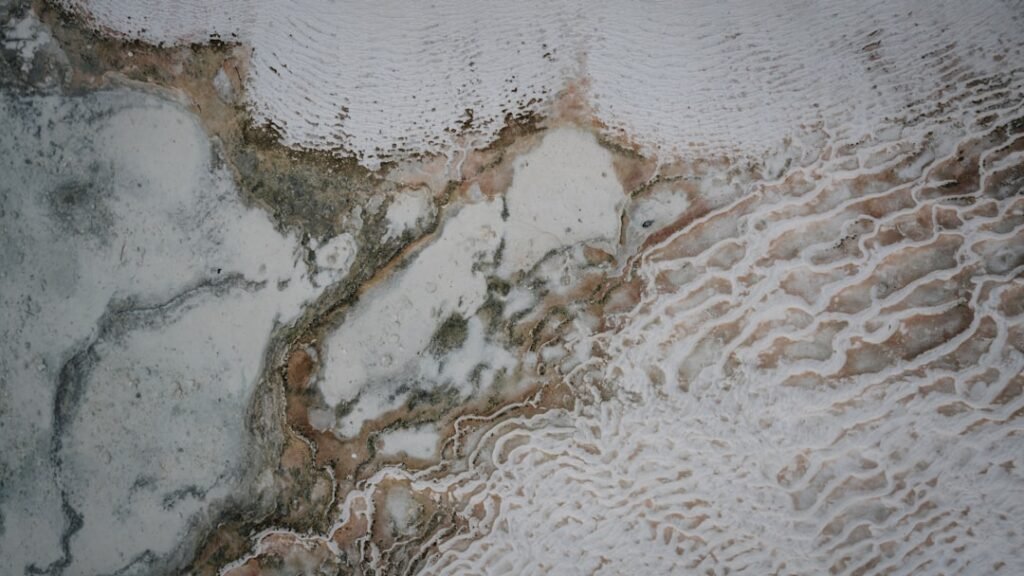
Table of Contents
Nestled in the southwestern region of Turkey, the stunning natural wonder of Pamukkale has long captivated visitors from around the world. This unique landscape, formed over centuries by the flow of mineral-rich thermal waters, is a true feast for the senses. Cascading white travertine terraces, azure pools, and ancient ruins come together to create a mesmerizing scene unlike any other.
Whether you’re seeking a rejuvenating soak in the warm waters or a journey through Turkey’s rich history, a visit to Pamukkale promises an unforgettable experience. In this comprehensive guide, we’ll explore the highlights of this natural marvel, providing insider tips, practical information, and suggestions to help you make the most of your time in this enchanting destination.
The main draw of Pamukkale is undoubtedly its remarkable travertine terraces, formed over thousands of years by the flowing thermal waters. As the waters cascade down the hillside, they deposit layers of UNESCO-protected white calcium carbonate, creating a surreal, otherworldly landscape.
Visitors can wander along the terraces, marveling at the vivid blues and greens of the mineral-rich pools. The best way to experience the terraces is to remove your shoes and soak your feet in the cool, soothing waters as you explore. Just be sure to follow the designated paths to avoid damaging the fragile formations.
The ideal time to visit Pamukkale is in the early morning or late afternoon, when the light casts a warm glow over the terraces and the crowds are smaller. Avoid the midday heat, as the terraces can become quite crowded and the sun can be intense.
It’s also worth noting that the travertine terraces are best viewed from above, so plan to start your visit at the top of the hill and work your way down. This allows you to fully appreciate the scale and beauty of the formations before immersing yourself in the experience.
In addition to the stunning travertine terraces, Pamukkale is also home to a series of thermal springs, offering visitors the chance to soak in the mineral-rich waters. The ancient Greco-Roman city of Hierapolis, located just above the terraces, was built around these natural hot springs, which were believed to have healing properties.
Today, visitors can access the thermal pools at the Pamukkale Thermal Pools complex, which offers both indoor and outdoor bathing areas. Prices start at 50 TRY (approximately $3 USD) for adult admission, and the pools are open daily from 7 AM to 7 PM.
Remember to bring a swimsuit, as bathing in the thermal waters is a must-do activity when visiting Pamukkale. The warm, mineral-rich waters are said to have therapeutic benefits, making it the perfect way to relax and rejuvenate during your Turkey adventure.
Perched atop the travertine terraces, the ancient city of Hierapolis is a testament to the rich history of the region. Founded in the 2nd century BC, Hierapolis was an important center of commerce and culture, known for its thermal springs and healing properties.
Today, visitors can wander through the well-preserved ruins, which include a well-preserved Roman theater, the remains of the Plutonium (a temple to the god of the underworld), and the Necropolis, an expansive ancient cemetery. Don’t miss the impressive Hierapolis Archaeology Museum, which houses a collection of artifacts and exhibits showcasing the city’s fascinating past.
To fully immerse yourself in the history of Hierapolis, consider booking a guided tour or audio guide. This will allow you to learn about the site’s significance and uncover the stories behind the ancient ruins.
Located in the Denizli province of southwestern Turkey, Pamukkale is easily accessible from major cities and airports. The nearest airport is Denizli Çardak Airport, which is approximately 60 km (37 miles) from the site. Alternatively, you can fly into Izmir or Antalya airports and take a bus or private transfer to Pamukkale.
Once you’ve arrived, you’ll find that navigating the site is relatively straightforward. The main entrance to the travertine terraces is located in the town of Pamukkale, and there are well-marked paths and walkways leading visitors through the site. Be prepared for a bit of a hike, as the terraces are situated on a hillside, but the views are well worth the effort.
Whether you’re seeking a rejuvenating soak, a journey through ancient history, or simply a chance to marvel at the stunning natural beauty of Turkey, a visit to Pamukkale is sure to leave a lasting impression. So pack your bags, lace up your shoes, and get ready to explore one of Turkey’s most captivating natural wonders.
For more inspiration and planning resources, be sure to check out our other guides on things to do in Turkey and top destinations. From the whimsical cave hotels of Cappadocia to the vibrant streets of Istanbul, there’s so much to explore in this enchanting country.
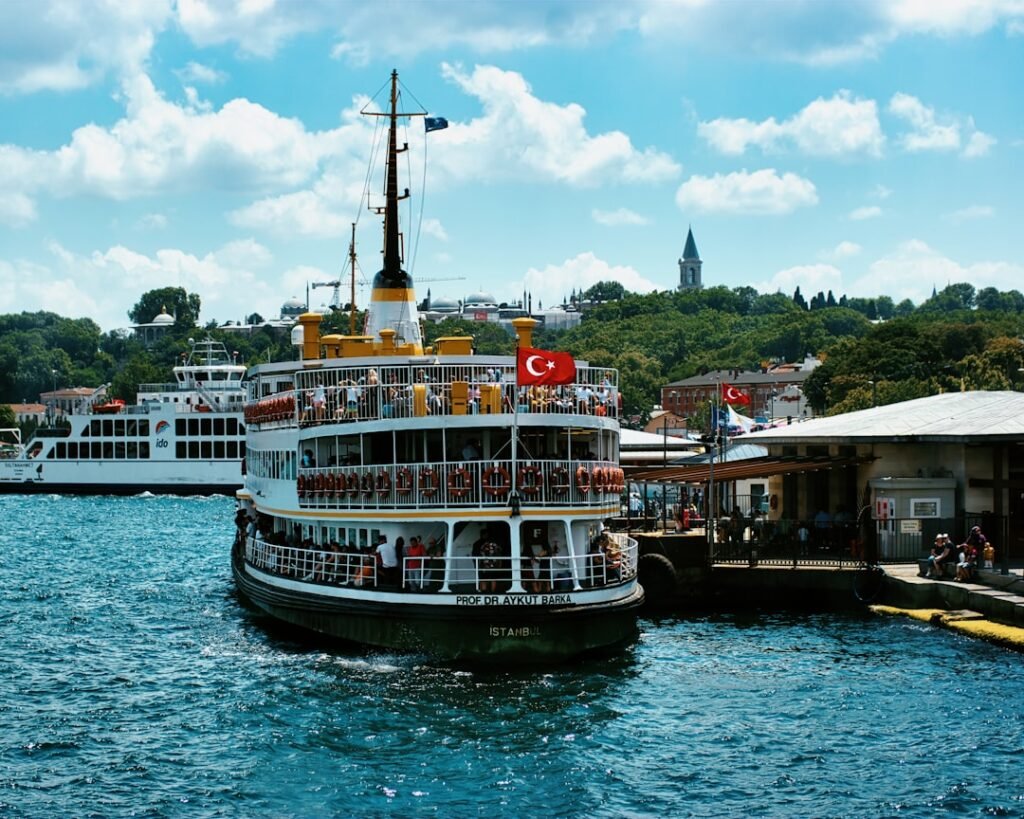
Discover everything about a Bosphorus boat tour in Istanbul — pricing, booking tips, best seasons,…
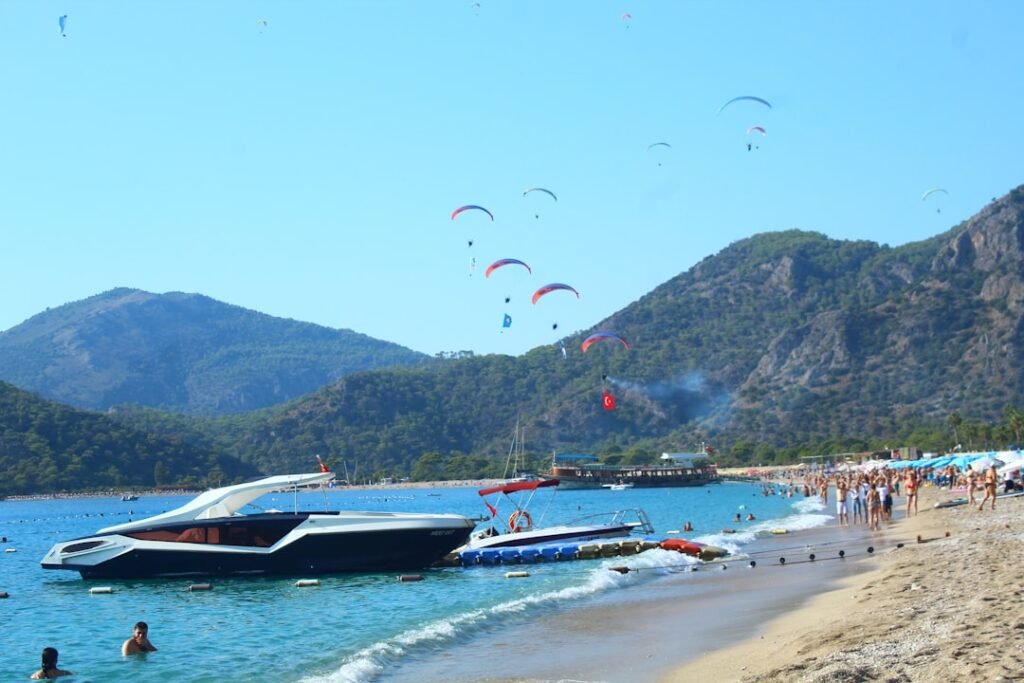
Experience the thrill of paragliding over the stunning Ölüdeniz Lagoon in Turkey. Soar above the…

Discover the thrill of paragliding over Turkey's stunning Turquoise Coast in Ölüdeniz. Soar high above…