Discover the Exhilarating Hot Air Balloon Rides Over Cappadocia, Turkey
Discover the exhilarating experience of hot air ballooning over Cappadocia, Turkey's otherworldly landscape of fairy…

Table of Contents
Embarking on a journey to Turkey presents an opportunity to explore a tapestry of cultural richness, historical landmarks, and breathtaking landscapes. Whether you are drawn to the bustling streets of Istanbul, the enchanting rock formations of Cappadocia, or the serene Mediterranean coastline, Turkey offers an experience for every traveler. In this comprehensive guide, we lay out essential Turkey tourism practical information, aiming to ensure that your travel is as enjoyable and smooth as possible.
The Turkish Lira (TRY) is the official currency of Turkey, and knowing the exchange rates and where to exchange money is crucial for any traveler. It is advisable to exchange some currency prior to arrival for initial expenses such as transportation. Currency exchange offices, known as ‘Döviz Bürosu’ in Turkish, are widely available in cities and airports, offering competitive rates. ATMs are also ubiquitous, and most accept international bank cards. However, travelers should be aware of potential fees associated with currency exchange and ATM withdrawals.
Public transport in Turkey is extensive and includes buses, minibuses (‘dolmuş’), metros, trams, ferries, and taxis. Major cities like Istanbul and Ankara have well-developed public transport networks. Istanbul’s Istanbulkart, a rechargeable smart card, allows access to buses, metros, trams, ferries, and funiculars at a discounted rate. For intercity travel, bus companies offer comfortable and frequent services, while domestic flights are a faster option for distant regions.
To use public transportation in Istanbul efficiently, purchasing an Istanbulkart is a smart move. You can buy and top up these cards at kiosks and machines found at major transit stops. The card offers significant savings compared to single-journey tokens and is usable on multiple passengers, making it perfect for groups traveling together.
Upon landing in Turkey, navigating from the airport to your accommodation is your first task. Istanbul Airport (IST) and Sabiha Gökçen Airport (SAW) offer various transfer options including the Havaist airport shuttle, private transfers, taxis, and the Istanbulkart-compatible public buses. For a seamless experience, consider booking a private transfer in advance, or use the Havaist shuttle service, which provides comfortable and timely transfers to key points in the city.
Renting a car can be a convenient way to explore Turkey at your own pace, especially when venturing into rural areas or along the coast. Car rental services are available at airports and in city centers. Before renting, ensure you have a valid driver’s license and understand the rental agreement. Road conditions vary, and GPS navigation is recommended for those unfamiliar with Turkish roadways.
When renting a car in Turkey, compare prices and packages online to find the best deal. Check for included insurance, and inspect the vehicle for any existing damage before driving off. Remember to familiarize yourself with local traffic laws to avoid fines and ensure a safe journey.
Understanding Turkey’s weather patterns by season is essential for packing appropriately. Spring (April to June) and fall (September to November) offer mild temperatures and fewer crowds, ideal for sightseeing. Summer (June to August) is hot, particularly in the south, making it perfect for beach vacations but requiring light clothing and sun protection. Winter (December to March) can be cold, with some regions experiencing snowfall, so warm attire is necessary. Always pack a mix of clothing to adapt to Turkey’s diverse climates.
Traveling in Turkey is generally very safe, but there are common pitfalls to avoid. Respect local customs and dress codes, particularly when visiting religious sites. Be cautious of overfriendly strangers, and keep an eye on your belongings in crowded areas to prevent pickpocketing. It is also wise to avoid tap water; opt for bottled water instead. For peace of mind, consider purchasing travel insurance before your trip.
Creating a budget for your trip to Turkey is a balancing act of managing costs while not compromising on experiences. Account for accommodation, food, transport, attractions, and unexpected expenses. Look for travel bundles, and consider visiting during the shoulder season when prices are more favorable. Eating at local eateries and using public transport can significantly reduce your daily spending.
Your daily budget in Turkey will vary based on travel style, but here is a sample breakdown:
For more detailed information about where to stay, explore our accommodation options covering everything from luxury resorts to boutique hotels, and to uncover the myriad of things to do in Turkey, ensure to plan ahead and make the most of your visit.
Turkey has become one of the world’s top travel destinations. According to Lonely Planet, the country welcomes over 50 million visitors annually, drawn by its rich history and natural beauty. Moreover, learning about the country’s heritage is facilitated through the UNESCO Turkey sites, which showcase the historical and cultural significance of various landmarks.
Travel smooth and smart in Turkey by following these practical tips and enjoy a journey filled with wonder and discovery. The country’s landscapes, cuisine, and hospitality are ready to create lasting memories. And remember, no matter where your travels take you, staying informed and prepared is key to a successful and enjoyable trip.

Discover the exhilarating experience of hot air ballooning over Cappadocia, Turkey's otherworldly landscape of fairy…
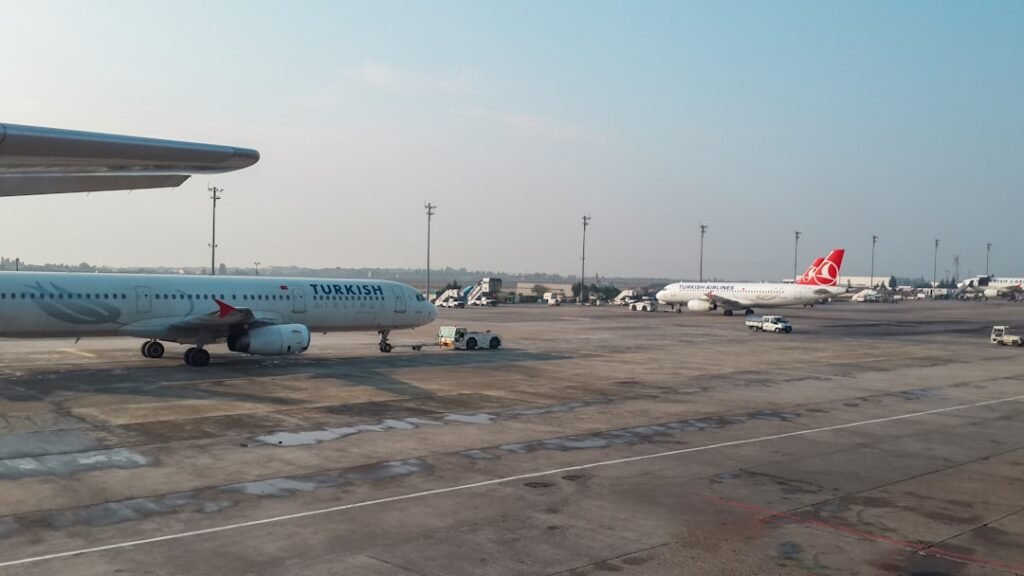
Explore the practical options for getting from Turkey's airports to your destination, including taxis, ride-sharing,…

Discover the vibrant street food scene of Istanbul, where the rich flavors of Turkish cuisine…