Discover the Exhilarating Hot Air Balloon Rides Over Cappadocia, Turkey
Discover the exhilarating experience of hot air ballooning over Cappadocia, Turkey's otherworldly landscape of fairy…
Table of Contents
Welcome to the comprehensive practical travel guide for exploring Turkey, a country where two continents meet and create a rich tapestry of culture, history, and breathtaking landscapes. Whether you are a seasoned traveler or planning your first visit, this guide will provide you with all the essential information to navigate Turkey with ease and ensure a memorable trip.
The Turkish Lira (TRY) is the official currency in Turkey. It is vital for travelers to be aware of the current exchange rates before arriving. Currency exchange offices are widely available, especially in major cities and tourist areas. For daily expenses, cash is king in many local markets and smaller establishments, though credit cards are widely accepted in hotels, restaurants, and larger shops.
Average daily costs for a traveler in Turkey can range from 300-500 TRY for budget travelers to over 1000 TRY for those seeking luxury experiences. Street food and local eateries offer meals for as little as 20-40 TRY, while fine dining can cost upwards of 150 TRY per person. Public transportation is relatively inexpensive, with bus fares starting around 3-5 TRY and metro tickets in major cities like Istanbul costing 7.67 TRY for a full-fare token.
Navigating public transportation in Turkey is a cost-effective way to travel. Major cities boast extensive systems including buses, metros, trams, and ferries. Istanbul’s public transport network is particularly comprehensive, offering the Istanbulkart, a rechargeable smart card that can be used on all forms of public transit. It is advisable to purchase one at the airport or central stations to save on individual fares.
For intercity travel, buses and trains are reliable options. The high-speed train network is expanding, with routes such as Ankara to Istanbul and Ankara to Konya. Long-distance buses connect virtually all cities and towns, with companies like Kamil Koç and Metro offering comfortable coaches with amenities.
Upon arrival at one of Turkey’s international airports, there are several options for reaching your final destination. Istanbul Airport (IST) and Sabiha Gökçen Airport (SAW) provide services such as Havaist and Havabus, respectively, which offer direct connections to key points in the city. Taxis are available, but it is recommended to agree on a fare beforehand or ensure the meter is running to avoid overcharging.
Renting a car in Turkey provides flexibility and freedom to explore at your own pace. Major rental agencies operate at airports and city centers. A valid international driving permit, along with a credit card, is usually required. Road conditions in cities and tourist spots are generally good, but caution is advised in rural areas. Average rental costs range from 250-400 TRY per day, depending on the type of vehicle.
Turkey experiences diverse weather conditions due to its vast geography. Summers (June to August) can be hot and dry, especially in the south, making it perfect for beach holidays. Winters (December to February) are cold, with snow in the central and eastern regions, ideal for winter sports enthusiasts. Spring (April to June) and autumn (September to November) are pleasant and recommended for sightseeing and cultural tours. Always check the weather forecasts for the region you plan to visit, as conditions can vary significantly.
Creating a budget for your trip to Turkey involves considering accommodation, meals, transportation, entrance fees to attractions, and miscellaneous expenses. Economical travelers can find hostels and guesthouses for around 100-200 TRY per night, while mid-range hotels may cost between 300-600 TRY. Attractions such as the Hagia Sophia and the ancient city of Ephesus typically charge entry fees ranging from 60 to 100 TRY.
To manage your finances effectively, use budgeting apps or create a spreadsheet to track your expenses. Always have a contingency fund for unexpected costs.
Travelers should be aware of cultural norms and local customs to avoid misunderstandings. Dress modestly when visiting religious sites, and always ask for permission before photographing people. Drinking tap water is not advised; instead, opt for bottled water. Familiarize yourself with some basic Turkish phrases to enhance your travel experience and show respect for local culture.
Safety is a priority when traveling. Turkey is generally safe for tourists, but like any destination, it is essential to take precautions. Keep your belongings secure, be cautious when using ATMs, and stay informed about the political situation, especially in border regions. In case of emergencies, the tourist police (155) can provide assistance.
For more detailed information about local customs and safety tips, visit our comprehensive travel guides.
Planning a trip to Turkey offers an opportunity to immerse yourself in a land of extraordinary contrasts. From the cosmopolitan buzz of Istanbul to the serene landscapes of Cappadocia, your journey through Turkey will be filled with wonder and discovery. For further insights and travel inspiration, explore our Turkey destinations page and start crafting your dream itinerary today.
Discover the enchantments of Turkey tourism by visiting the TripAdvisor Turkey page for traveler reviews and the official Turkey tourism site for the latest travel advisories and updates.
With meticulous planning, a spirit of adventure, and this practical travel guide, your trip to Turkey is sure to be a seamless and unforgettable journey. Hoşçakalın (farewell) and happy travels!
Discover the exhilarating experience of hot air ballooning over Cappadocia, Turkey's otherworldly landscape of fairy…
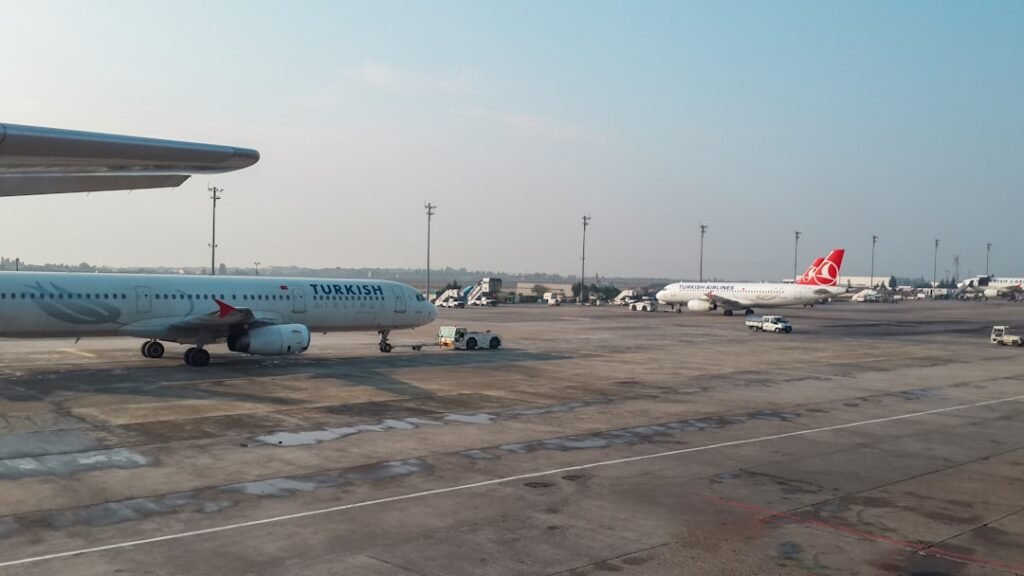
Explore the practical options for getting from Turkey's airports to your destination, including taxis, ride-sharing,…

Discover the vibrant street food scene of Istanbul, where the rich flavors of Turkish cuisine…