Discover the Exhilarating Hot Air Balloon Rides Over Cappadocia, Turkey
Discover the exhilarating experience of hot air ballooning over Cappadocia, Turkey's otherworldly landscape of fairy…
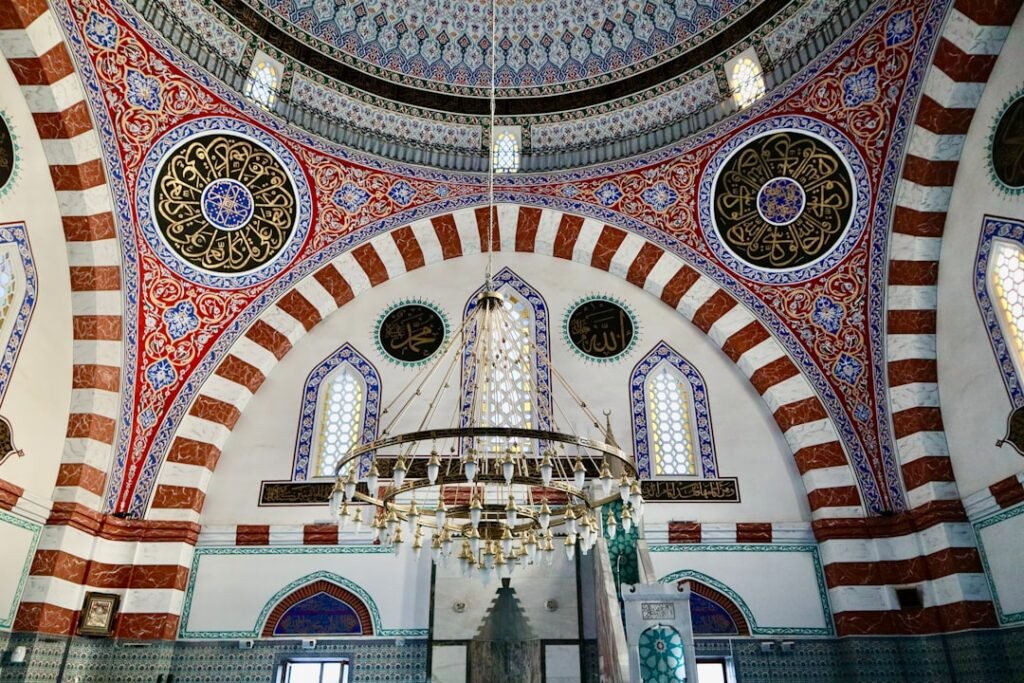
Table of Contents
Turkey’s centuries-old hammam culture is a quintessential part of the country’s heritage and a must-experience for any visitor. These traditional Turkish baths offer a unique opportunity to immerse yourself in the rich history and customs of the region. From the grand imperial hammams of Istanbul to the more modest neighborhood baths, exploring the hammam experience is a highlight of any Turkish adventure.
At the heart of the hammam experience is a cleansing ritual that has been practiced for generations. The process typically begins with a visit to the sıcaklık, the hot room, where the body is gently steamed to open pores and prepare for exfoliation. A skilled tellak (male bath attendant) or natır (female bath attendant) will then use a kese, a rough exfoliating mitt, to remove dead skin cells, leaving the skin feeling rejuvenated and refreshed.
Following the scrub, bathers relax on the warm marble platform, known as the göbektaşı, while the attendant pours warm water over the body. This soothing massage-like experience is often accompanied by the rhythmic sound of water splashing and the tranquil atmosphere of the hammam. Many traditional baths also offer optional services such as a relaxing oil massage or a mud treatment to further enhance the wellness experience.
The hammams themselves are architectural marvels, often featuring stunning domed ceilings, intricate tile work, and ornate décor. Many of the most famous hammams, such as the Süleymaniye Hamam in Istanbul, were commissioned by Ottoman sultans and designed by renowned architects like Mimar Sinan. These grand baths were not only functional spaces but also showcases of the empire’s wealth and cultural heritage.
Even smaller neighborhood hammams, while less ornate, still maintain the traditional design elements that make the Turkish bath experience so unique. The use of warm, natural materials like marble, stone, and copper, along with the soft lighting and the soothing sounds of water, create a serene and calming atmosphere that transports visitors to a bygone era.
Navigating the hammam experience can be a bit daunting for first-time visitors, but following a few simple etiquette guidelines can help ensure a smooth and comfortable visit:
With so many hammams to choose from across Turkey, it can be overwhelming to decide which one to visit. Here are a few factors to consider when selecting the perfect Turkish bath for your needs:
For a truly authentic and immersive experience, seek out the historic hammams that have been operating for centuries. These grand, palatial baths, such as the Çemberlitaş Hamam in Istanbul, offer a glimpse into the opulent past of the Ottoman Empire. However, if you prefer a more contemporary setting, there are also modern hammams that provide a similar bathing ritual with updated amenities and services.
Visiting a neighborhood hammam can be a more intimate and local experience, allowing you to interact with the community and get a better sense of daily Turkish life. These smaller baths, like the Cağaloğlu Hamam in Istanbul’s historic Sultanahmet district, often have a more relaxed and casual atmosphere. Tourist-oriented hammams, on the other hand, cater specifically to visitors and may offer more English-speaking staff and streamlined services.
For those seeking a truly luxurious hammam experience, there are high-end spa-like facilities that offer additional treatments and amenities. These upscale hammams, such as the Kılıç Ali Paşa Hamam in Istanbul, can provide a more pampering and indulgent experience, but at a higher price point. On the other hand, more budget-friendly neighborhood hammams, like the Süleymaniye Hamam, offer the traditional bathing ritual at a more accessible cost.
To make the most of your hammam visit, it’s important to come prepared. Here are some tips to help you get ready:
While the traditional Turkish bath ritual remains consistent across the country, the hammam experience can vary greatly depending on the region and local customs. Visiting hammams in different cities can provide a unique cultural perspective and a deeper understanding of the country’s bathing traditions.
In Istanbul, for example, the grand imperial hammams like the Süleymaniye Hamam and the Çemberlitaş Hamam offer a glimpse into the opulent past of the Ottoman Empire. Further south in Anatolia, the hammams of Pamukkale are renowned for their healing thermal waters, providing a restorative and rejuvenating experience. And in Cappadocia, the unique cave hammams, such as the Göreme Kaya Hamam, offer a truly one-of-a-kind setting for the traditional bathing ritual.
No matter which hammam you choose, the opportunity to immerse yourself in this centuries-old Turkish tradition is a must-do for any visitor to the country. From the grand, historic baths to the more intimate neighborhood hammams, the Turkish bath experience is a cultural treasure that should not be missed.
Exploring the timeless tradition of Turkish baths is a truly enriching and unforgettable experience for any traveler to Turkey. By understanding the ritual, etiquette, and diverse offerings across the country, visitors can fully immerse themselves in this unique aspect of Turkish culture and leave feeling refreshed, rejuvenated, and with a deeper appreciation for the nation’s rich heritage.
Discover the exhilarating experience of hot air ballooning over Cappadocia, Turkey's otherworldly landscape of fairy…

Explore the practical options for getting from Turkey's airports to your destination, including taxis, ride-sharing,…
Discover the vibrant street food scene of Istanbul, where the rich flavors of Turkish cuisine…