Exploring the Mesmerizing Hagia Sophia in Istanbul, Turkey
Discover the mesmerizing Hagia Sophia, a UNESCO-listed landmark in Istanbul, Turkey. Explore its rich history…
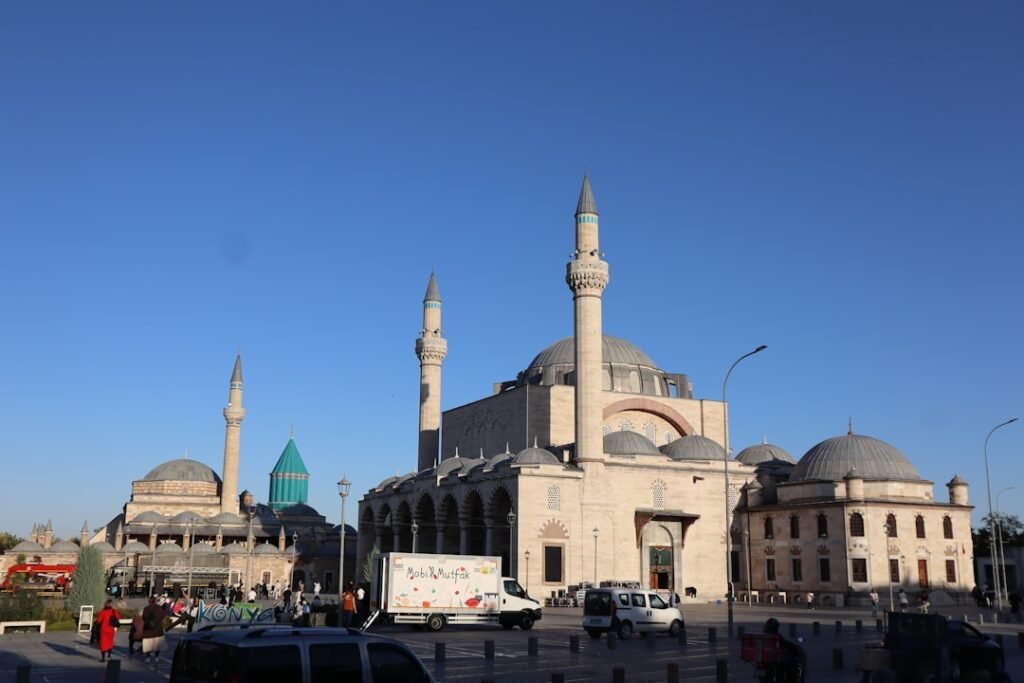
Table of Contents
Tucked away in the heart of Anatolia, the city of Konya is renowned for its deep-rooted connection to the Mevlevi Order of Sufism and the captivating ritual of the whirling dervishes. This ancient spiritual practice, also known as the Sema ceremony, has been a cherished tradition in Turkey for centuries, drawing visitors from around the world to witness its mesmerizing display.
The Mevlevi Order, founded by the 13th-century Sufi mystic and poet Jalaluddin Rumi, has long been the driving force behind the preservation of the whirling dervish tradition. Rumi’s teachings, which emphasize the pursuit of spiritual enlightenment through music, dance, and contemplation, are the foundation of this captivating ritual.
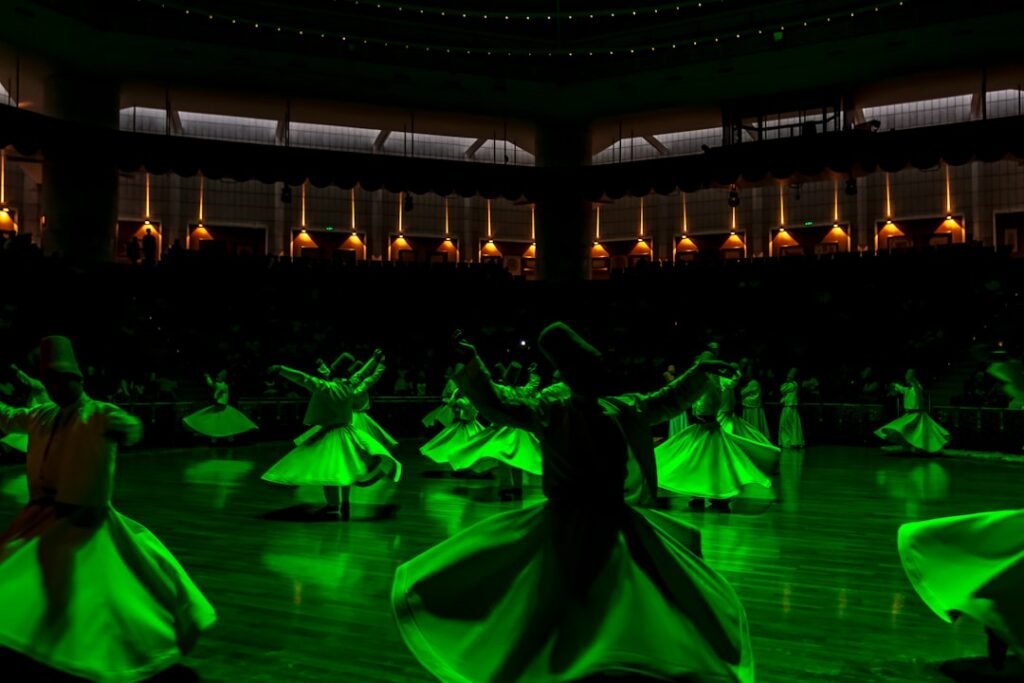
The Sema ceremony, performed by the whirling dervishes, is a symbolic representation of the journey of the soul towards the divine. As the dervishes gracefully spin in their distinctive white robes, they are said to be in a state of profound meditation, transcending the physical realm and connecting with the spiritual world.
Visitors to Konya have the unique opportunity to witness the mesmerizing Sema ceremony, which takes place at the Mevlana Cultural Center, the former dervish lodge and the final resting place of Rumi himself.
The ceremony begins with the entrance of the dervishes, each clad in a long white robe and a tall conical hat, known as a sikke. As the music of the ney (a traditional Turkish reed flute), kemençe (a bowed string instrument), and kudüm (a type of double-headed drum) fills the air, the dervishes begin their slow, rhythmic spinning, their movements perfectly synchronized.
The ceremony is divided into several parts, each with its own symbolic meaning. The opening sequence, known as the Devr-i Veled, represents the journey of the soul towards the divine. As the dervishes spin, their arms are outstretched, with their right palms facing upwards to receive the blessings of the heavens, and their left palms facing downwards, to distribute these blessings to the Earth.
The second part of the ceremony, the Selam, is a ritual of greeting and reverence, where the dervishes bow and acknowledge the presence of their spiritual leader, the Mevlevi Sheikh. The final sequence, the Devr-i Kebir, is the culmination of the ceremony, with the dervishes spinning in a state of deep contemplation and spiritual ecstasy.
Attending a Sema ceremony in Konya is a truly awe-inspiring experience, offering a glimpse into the rich cultural heritage of Turkey. Visitors can choose from a variety of performance options, ranging from daily shows to special events and festivals.
The Mevlana Cultural Center, located in the heart of Konya, is the primary venue for the Sema ceremonies. Tickets can be purchased at the venue or online in advance, with prices ranging from 20 to 50 Turkish Lira (approximately $1 to $2.50 USD) for general admission.
It’s important to note that the Sema ceremony is a sacred ritual, and visitors are expected to observe certain etiquette and dress codes. Modest attire, such as long pants and shirts that cover the shoulders, is recommended, and photography or video recording may be restricted during the performance.
While the Sema ceremony is undoubtedly the main draw for many visitors to Konya, the city offers a wealth of other cultural and historical attractions to explore. Some of the must-see sites include:
Whether you’re drawn to the spiritual significance of the whirling dervishes or the captivating history and culture of Konya, this city in central Turkey offers a truly unique and unforgettable experience for visitors.
For more information on planning your visit to Konya and exploring the rich cultural heritage of Turkey, be sure to check out resources like Lonely Planet, TripAdvisor, and the official Turkey tourism site.
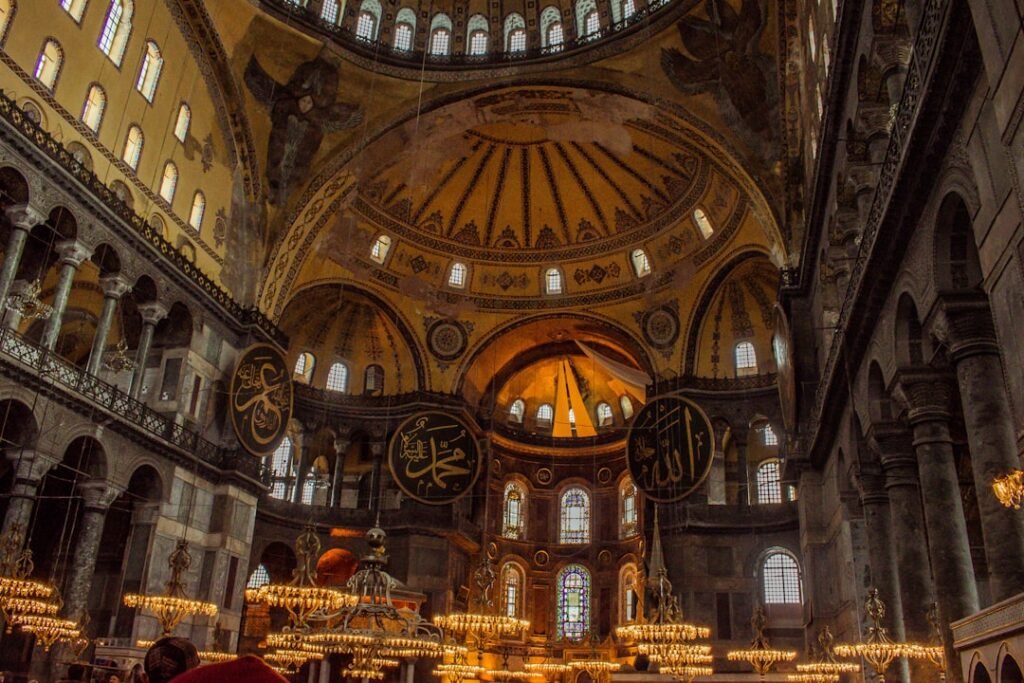
Discover the mesmerizing Hagia Sophia, a UNESCO-listed landmark in Istanbul, Turkey. Explore its rich history…
Discover the captivating ritual of the Whirling Dervishes in Konya, Turkey - a centuries-old Sufi…
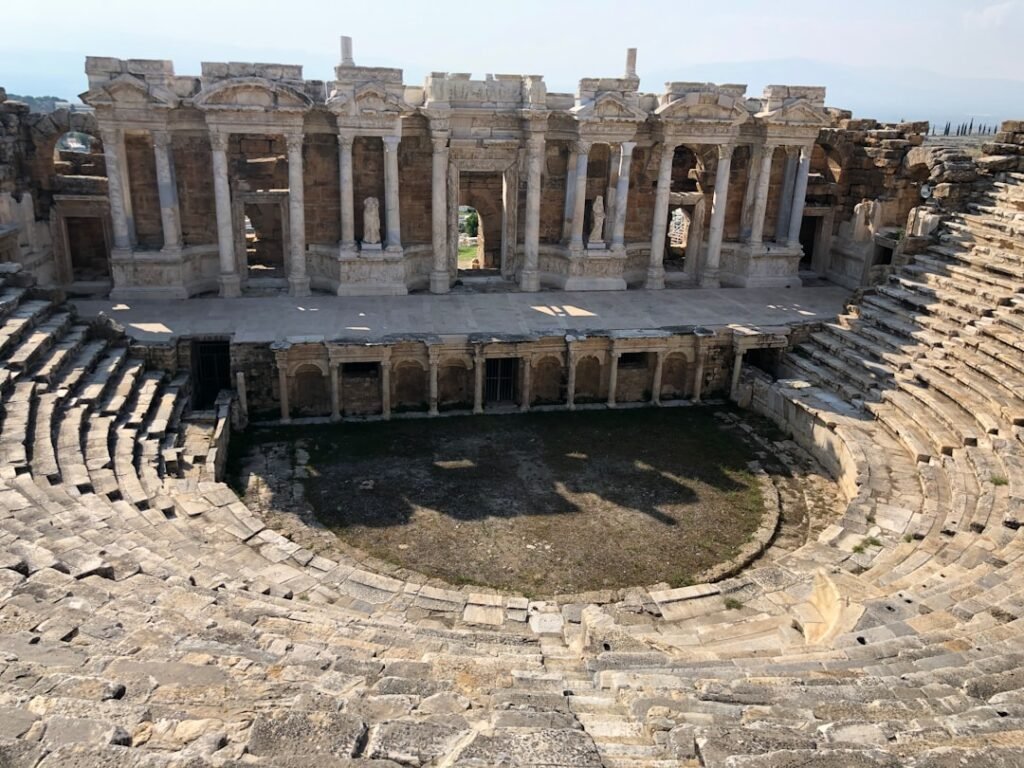
Discover the ancient wonders of Ephesus, Turkey's captivating archaeological site that offers a glimpse into…