Exploring the Mesmerizing Hagia Sophia in Istanbul, Turkey
Discover the mesmerizing Hagia Sophia, a UNESCO-listed landmark in Istanbul, Turkey. Explore its rich history…
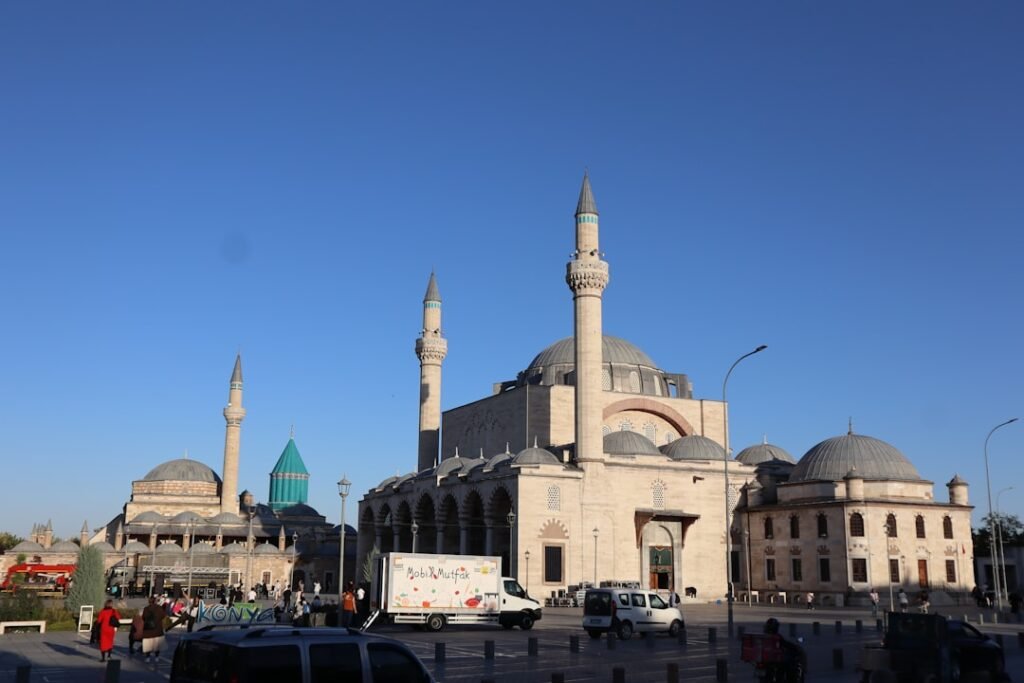
Table of Contents
In the heart of Turkey’s central Anatolia region, the city of Konya stands as a beacon of the country’s rich cultural heritage. It is here that you can witness one of the most captivating spiritual practices in the world – the whirling dervishes. This ancient Sufi tradition, rooted in the teachings of the renowned philosopher and poet Rumi, has enchanted visitors for centuries with its mesmerizing dance and deep spiritual significance.
The whirling dervish ceremony, known as the Sema, is a profound and symbolic ritual that represents the spiritual journey of the human soul towards enlightenment. Dressed in flowing white robes and tall, cone-shaped hats, the dervishes gracefully spin in synchronized circles, their arms outstretched as they turn in a state of deep meditation.
The ceremony begins with the Naat-i Sherif, a recitation of poetry praising the Prophet Muhammad. This is followed by the Tevhid, a declaration of the oneness of God. The dervishes then commence their iconic whirling, their movements symbolizing the revolution of the planets and the human soul’s longing to connect with the divine.
The whirling is accompanied by the soulful sounds of traditional Turkish music, played on instruments such as the ney (a type of reed flute), the kudum (a pair of small kettledrums), and the rebab (a bowed string instrument). The music, combined with the dervishes’ graceful motions, creates a deeply meditative and spiritual atmosphere that transports the audience to a realm of transcendence.
The origins of the whirling dervish tradition can be traced back to the 13th century and the teachings of the Sufi mystic, Rumi. Also known as Mevlana, Rumi was a Persian poet, Islamic scholar, and founder of the Mevlevi Order, the Sufi order responsible for the whirling dervish ceremonies.
Rumi’s teachings emphasized the importance of love, tolerance, and the search for the divine within oneself. The whirling dervish ceremony is a physical manifestation of these principles, with the dervishes’ movements representing the soul’s journey towards spiritual enlightenment and union with the divine.
The Mevlevi Order, founded by Rumi’s followers, has kept this ancient tradition alive for centuries, passing it down through generations of dervishes. Today, the whirling dervish ceremony is not only a powerful spiritual practice but also a cherished cultural heritage of Turkey, attracting visitors from around the world to witness its mesmerizing display.
Konya is the epicenter of the whirling dervish tradition, and the city offers several opportunities for visitors to witness this captivating performance. The Mevlana Museum, which houses Rumi’s tomb, is the most famous venue for the dervish ceremonies, hosting regular shows for both local and international audiences.
Visitors can also attend the annual Mevlana Festival, held every December, which features a grand celebration of the whirling dervish tradition. During this festival, the city comes alive with music, dance, and spiritual ceremonies, offering a unique and immersive cultural experience.
When attending a whirling dervish performance, it’s important to observe proper etiquette and respect the spiritual nature of the ceremony. Visitors should dress modestly, avoid taking photographs or videos during the performance, and refrain from applauding until the end of the ceremony.
Beyond the captivating whirling dervish ceremonies, Konya offers a wealth of cultural and historical treasures for visitors to discover. The city is home to numerous mosques, madrasas (Islamic schools), and other architectural marvels that showcase the region’s deep-rooted Islamic influence.
One of the city’s most iconic landmarks is the Alaeddin Mosque, a stunning example of Seljuk architecture dating back to the 12th century. The mosque’s intricate stone carvings, domed ceilings, and serene courtyards make it a must-visit for anyone exploring Konya’s rich cultural heritage.
Another notable site is the Karatay Madrasa, a 13th-century Islamic school known for its exquisite tile work and calligraphic decorations. Visitors can also explore the Ince Minaret Museum, which houses a remarkable collection of Seljuk-era artifacts and provides insights into the region’s artistic and architectural traditions.
By immersing themselves in the captivating whirling dervish ceremonies and exploring Konya’s vibrant cultural landmarks, travelers can gain a deeper understanding and appreciation of Turkey’s enduring Sufi and Islamic heritage.
Konya is easily accessible from major cities in Turkey, with regular bus and train connections from destinations like Turkey destinations such as Istanbul, Ankara, and Antalya. The city also has an international airport, making it a convenient starting point for a cultural exploration of central Anatolia.
When planning your visit, be sure to check the schedules for whirling dervish performances at the Mevlana Museum and the Mevlana Festival. Tickets for the ceremonies can be purchased directly from the venues, and it’s recommended to arrive early to secure the best seats.
To make the most of your time in Konya, consider combining your visit with a things to do in Turkey like exploring the ancient ruins of Çatalhöyük, a UNESCO World Heritage Site, or taking a day trip to the nearby Cappadocia region, famous for its unique geological formations and cave dwellings.
Whether you’re seeking a profound spiritual experience or a deeper understanding of Turkey’s rich cultural heritage, a visit to Konya and its whirling dervishes is sure to leave a lasting impression. Immerse yourself in the timeless rhythms and captivating movements of this centuries-old tradition, and let it transport you to a realm of transcendence and enlightenment.
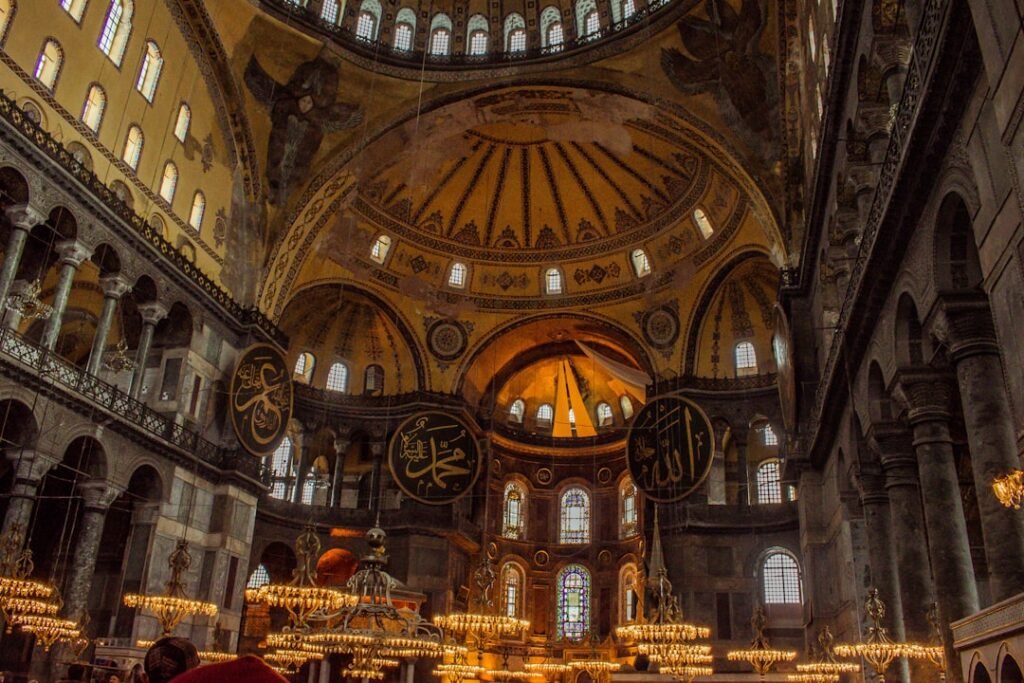
Discover the mesmerizing Hagia Sophia, a UNESCO-listed landmark in Istanbul, Turkey. Explore its rich history…
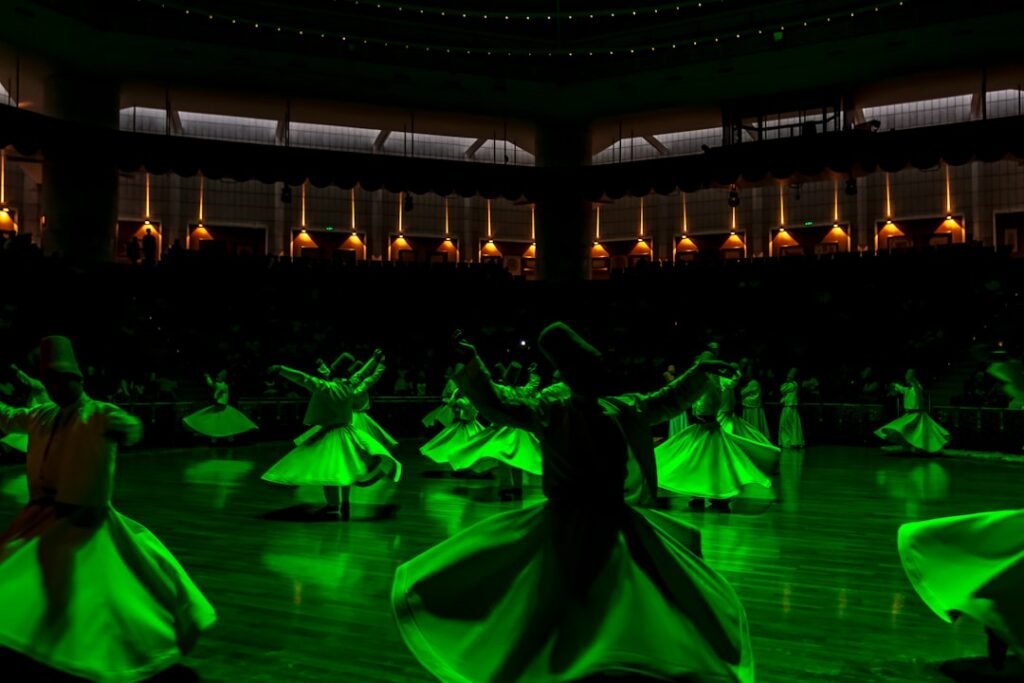
Discover the captivating ritual of the Whirling Dervishes in Konya, Turkey - a centuries-old Sufi…
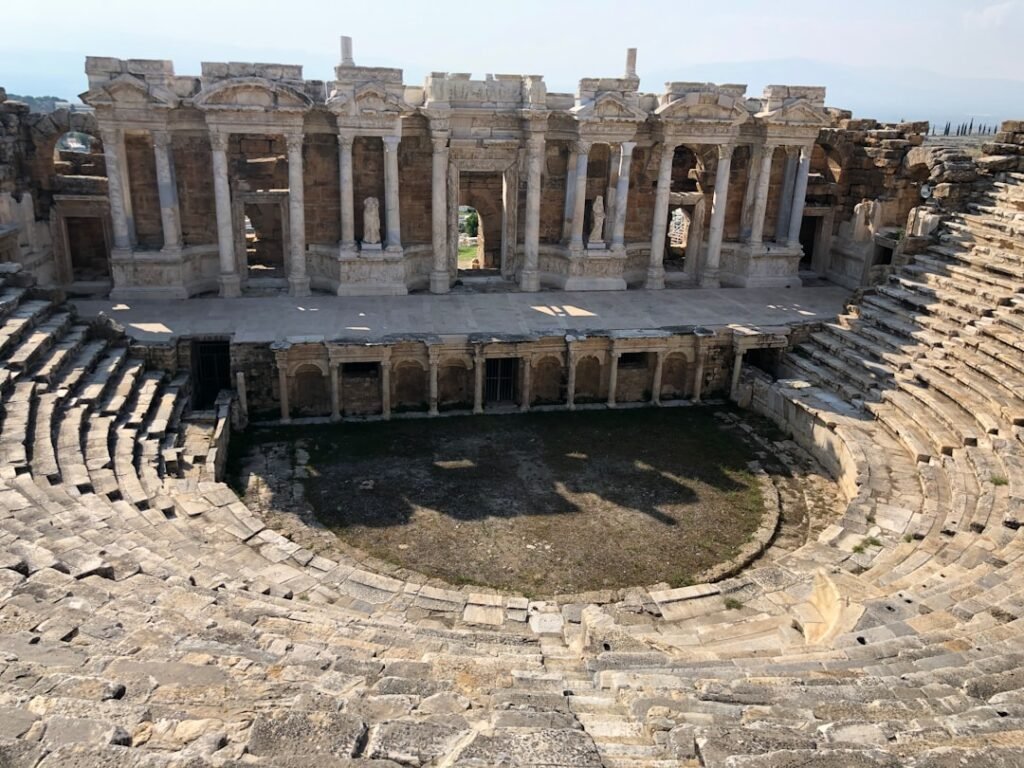
Discover the ancient wonders of Ephesus, Turkey's captivating archaeological site that offers a glimpse into…